
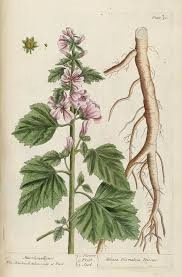
Althea officinales
Marshmallow
PARTS USED Root, flowers, leaves
TASTE AND TISSUE ENERGETICS
Sweet, salty, moist, cool, slightly bitter, relaxant
TISSUES AFFECTED
Intestines and digestive tract, kidneys, bladder, mucous membranes, immune system, nervous system, respiratory system.
INTERNAL CLINICAL ACTIONS
Demulcent tonic, anti-inflammatory, alterative, mild diuretic, vulnerary, antispasmodic, immune modulating, nervine, expectorant, galactogogue, nutritive.
TOPICAL CLINICAL ACTIONS
Vulnerary, anti-inflammatory, emollient.
USES
Topical inflammation, dysentery, diarrhea, vaginitis, acute stages of gonorrhea, gargle for irritated throat, hemorrhoids. Internally to soothe irritated and inflamed mucous surfaces, for hoarseness, dry cough, gastro-intestinal irritation and inflammation, urinary and renal (kidney) irritation, bladder pain, stones. Internally for acute bronchitis, pneumonia, pleurisy (lung pain), acute conjunctivitis, itchiness. Use as poultice for sores, bruises, burns, muscle aches.
FORMS USED
Teas, syrups, powder, tincture, poultice
SAFETY AND ADVERSE EFFECTS
Oral medications may have delayed or inhibited absorption due to high mucilage content.
GARDEN GROWING TIPS
Marshmallow is easiest to grow from root cuttings, but seeds are also available and need cold stratification. Leaves and flowers can be harvested at the end of the first growing season while root will take at least two growing seasons. Harvest half a plant’s roots in the fall leaving the rest in ground to regrow or transplant shoots with roots to increase plantings. After harvesting roots, let dry for 24-48 hours before processing. Processing can be cutting roots into small pieces to dry or blending in a high powered blender, which will shred the root, then laying out to dry on a screen or cloth.