
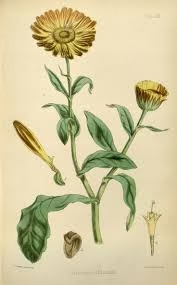
Calendula officinales
Calendula, Pot Marigold
PARTS USED Flowers, leaves
TASTE AND TISSUE ENERGETICS
Bitter, salty, spicy, neutral. Cool and dry. Warming resins and oils. Mixed relaxant and tonic.
TISSUES AFFECTED
Blood, skin, liver, lungs, nerves, mucous membranes, urinary, digestive tract.
INTERNAL CLINICAL ACTIONS
Vulnerary, diffusive and diaphoretic, astringent, anti-spasmodic, emmenagogue, laxative, mild bitter tonic, mild chologogue, mild diuretic, alterative by way of liver, lymphatic system and bowels.
TOPICAL CLINICAL ACTIONS
Vulnerary, anti-inflammatory, anti-septic.
USES
Sprains, wounds (internal and external), chronic ulcers, varicose veins, jaundice, bowel obstructions, pain and swelling from stings and bites, to reduce inflammation, fevers, constipation, bleeding cuts, cramps, eruptive skin conditions (i.e, acne, measles), earache, burns, bruises, infections,
vaginitis, gonorrhea, leucorrhea.
FORMS USED
Tea, tincture, oil, salve, lotion, fresh applications, eaten raw or cooked
SAFETY AND ADVERSE EFFECTS
Pregnancy due to emmenagogue effects
GROWING TIPS
Calendula will re-seed itself and seeds will overwinter and re-sprout mid-summer. For a maximum growing season, start seeds indoors 3-6 weeks before last frost and transplant after danger of frost has passed. Calendula blooms consecutively throughout the entire growing season. The more you pick, the more it blooms.